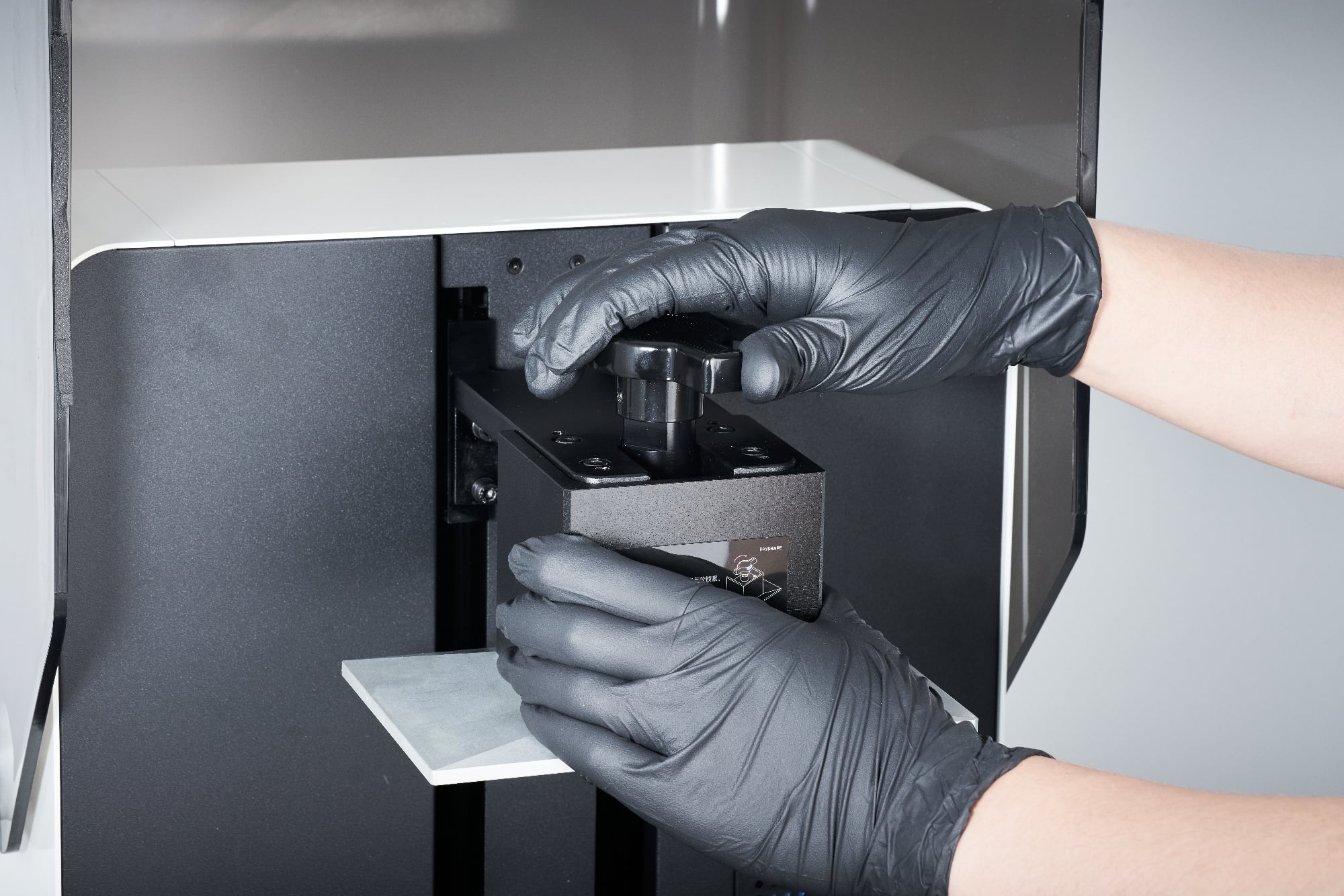
The benefits that a dental lab can gain from using a milling machine for dentistry (Dynamic being one of many companies with units available) cover numerous territories. Their use is to make precise and accurate-formed dental restorations, like crowns, bridges and veneers. Milling machines allow dentists to deliver superior work their patients appreciate with ensured fit and natural appearance.
The precision that comes with using a milling machine is one of the major advantages of using it for dentistry. These devices have the ability to produce dental restorations so precise they fit each patient perfectly. In dentistry, where an implant placement can have such a significant effect on the patient’s comfort and lifestyle, even the tiniest margin of error would compromise comfort and functional restoration.
Milling machines also provide the opportunity for dentists to fabricate custom restorations for their patients. Every restoration is customisable to the patient, which means it fits perfectly and looks natural. Whether a patient requires a crown, bridge or veneer, they can receive it with the help of a milling machine in a form that will both look and feel like their natural teeth.
Dental Labs have changed how they do business with the use of milling machines. A large part of what makes these machines more efficient is greater efficiency in production. By using a milling machine, you can say goodbye to time-consuming production of individual restorations or rotating in work on two or more multitask units to finish a job.
Add to that the reduced reliance on human labor in producing dental prostheses using mills, and we have a group of unhappy CGI employees. The old way of making crowns or bridges was for technicians to shape them by hand, a long and laborious process. On a milling machine, this tedious work has been eliminated and left for technicians to concentrate on more important things.
However, some of the problems commonly encountered in dental milling are also present. Pooling is a phenomenon of needing frequent calibration and maintenance to maintain the accuracy in the milling process. Without such maintenance, the machine can generate inaccurate results in the manufacture of ill-fitting dental restorations. Also, there is always a chance of cross-contamination if the miller is not adequately cleaned between uses. Contamination can cause infections and other problems for patients. Furthermore, milling machines also run the risk of mechanical breakdown or software error which can stall production and impact the clinical workflow.
It is necessary to establish a regular maintenance program for a dental (milling) machine. This involves servicing the machine and sterilising it after every use to avoid infection. The machine must also be calibrated often to yield accurate results. When milling burs have worn and failed, grinding and replacing WO articles is essential. By maintaining software and looking for glitches or mistakes, unnecessary production delays can be avoided. Proper training of the staff in maintenance and troubleshooting can also contribute significantly to keeping your milling machine in working conditions.
Since the time it was founded in 2004, milling machine in dentistry., has been committed to RD manufacturing, as well as selling dental equipment. We are home to over 30,000 square meters of industrial space. We also have our own warehouse and factory. Therefore, we are sure to meet the customers' demand, and our products have been sold to over 100 countries and regions around the globe, and have been sold in thousands and gained an excellent reputation thanks to reliable quality, affordable price and quality service.
products come milling machine in dentistry ISO certificate. It used more 50 patent-pending technologies recognized "National High-Tech Enterprise".
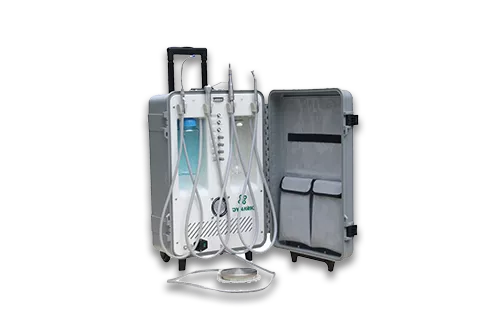
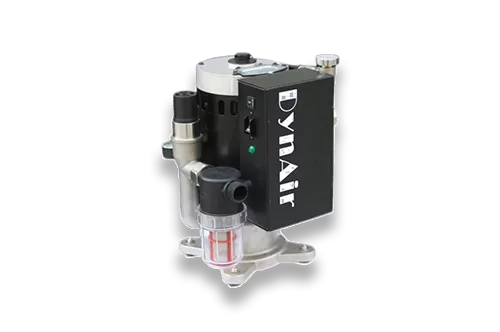
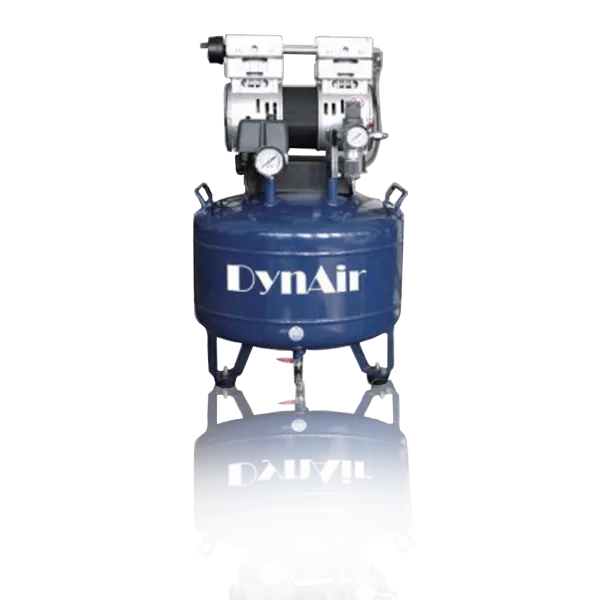
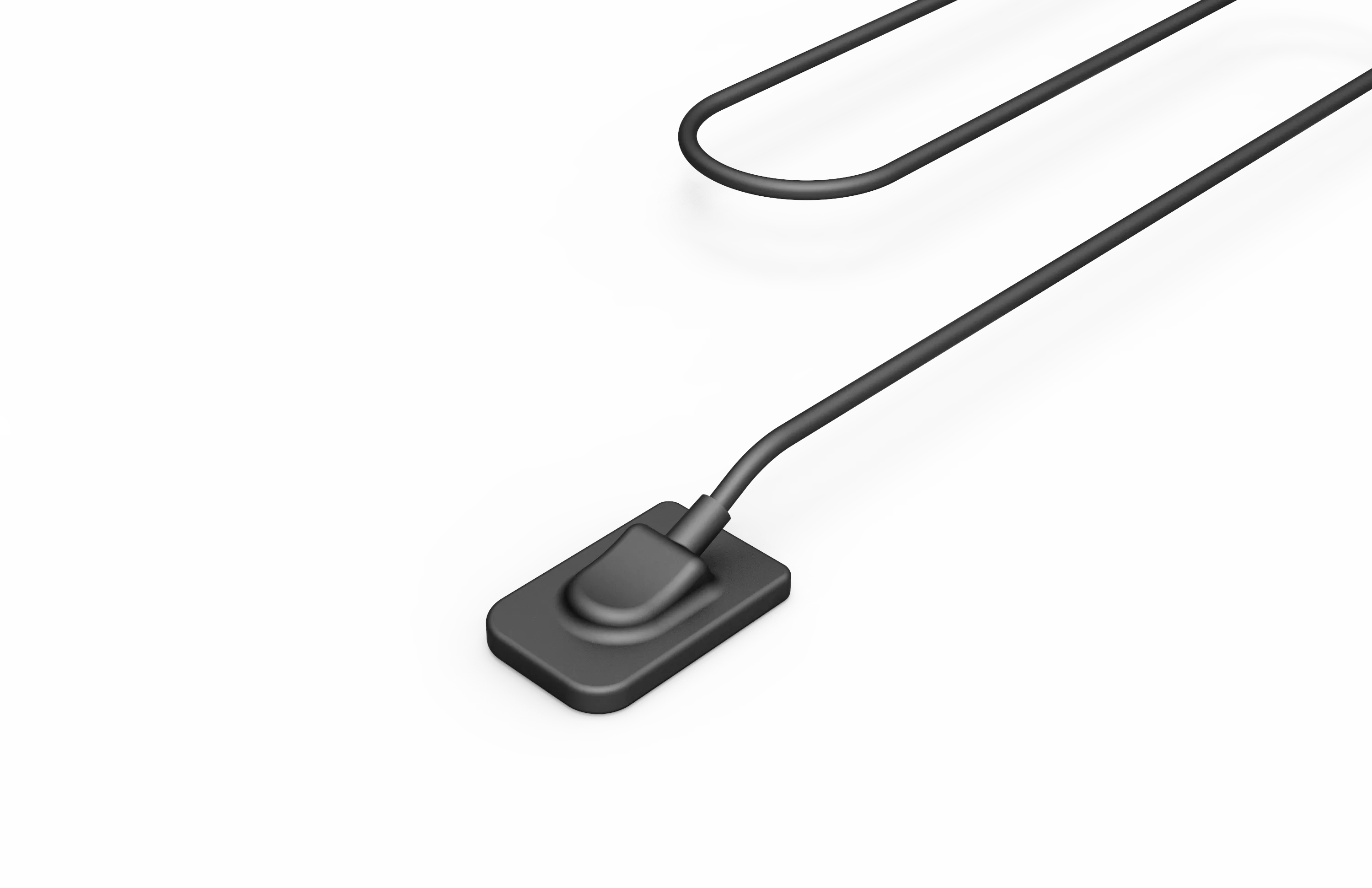
milling machine in dentistry years research development, Dynamic established broad product line includes whole range air supply supply solutions, dental imaging dental CAD/CAM equipment, lair compressor, suction unit intraoral scanner, dental milling machines, Phosphor Plate Scanner, dental xray sensor etc.
RD milling machine in dentistry, sales staff, professional after-sales teams highly trained provide custom-designed customizations complete support.



 EN
EN
 AR
AR NL
NL FR
FR DE
DE EL
EL HI
HI IT
IT PL
PL PT
PT RO
RO RU
RU ES
ES IW
IW ID
ID VI
VI TH
TH TR
TR FA
FA