
 EN
EN
 AR
AR NL
NL FR
FR DE
DE EL
EL HI
HI IT
IT PL
PL PT
PT RO
RO RU
RU ES
ES IW
IW ID
ID VI
VI TH
TH TR
TR FA
FA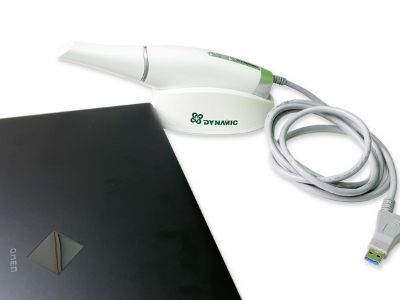
The future of dentistry looks to be a very promising one with technology taking center stage in most advancements in the field. One piece of equipment that is proving to revolutionize dentists' workflow is an Intraoral Scanner. These tools provide a quick and simple method of taking a 3D model of the inside of the mouth instead of the once gooey process of taking impressions. As many of the latest devices on the market today by Dynamic are able to take impressions with speed and ease, they provide improved dental procedures for patients and an increased workflow for dental offices. Devices like this will only continue to become more and more common and can improve the dental experience for many different reasons.
Finding Good Wholesale Intraoral 3D Scanners For Your Business
When you are looking to buy intraoral 3D scanners in bulk for your business, you should really consider looking at what Dynamic has to offer since they provide many different kinds of models for all the different kinds of dental work you do. When searching for good intraoral 3D scanners you will need to determine what characteristics your practice demands and then try and find an intraoral 3D scanner that fits those needs and demands. Things to consider are whether you want an intraoral 3D scanner that takes highly accurate impressions, an ergonomically sound model and a scanner from a company with good support service for the model. Always remember that many providers offer better prices for intraoral 3D scanners when bought in bulk. These devices are most readily found through oral appliance tradeshows, in catalogs, or from contacting a sales representative. Reading some of the reviews that other dentists have written about the particular intraoral 3D scanner you are interested in would also be beneficial. You should also make sure you get opinions from other dentists.
Selecting the Appropriate Intraoral 3D Scanner For Your Practice
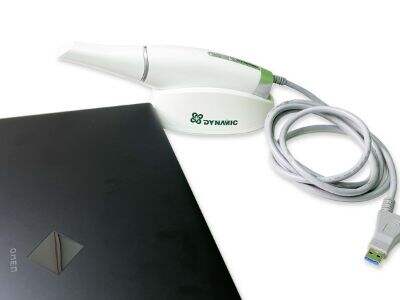
There are many different types ofintraoral 3d dental scanner available, and when you select the perfect one, it could be the single biggest technological decision you ever make for your practice. First and foremost, you should examine the types of procedures you perform. If your practice performs a lot of crowns or bridges, you will want to find a scanner that will give very precise, clear images. Dynamic offers a number of intraoral 3D scanners designed to provide the high level of accuracy required to conduct these specific dental procedures efficiently and with precision. If it's not the highest quality, then at least find an intraoral 3D scanner that is simple to operate so that your staff doesn't fall behind. Proper training for the operation of the newest devices should always be taken so that all features of the new gadget are fully utilized to their maximum potential. Also be sure to take a look at the accompanying software and at the ability for data to be shared between the dental office and a dental laboratory or with other colleagues. You should also always find out about the manufacturer's warranty and what kind of support is provided.
Common Issues and Solutions with Intraoral 3D Scanners
As useful and advanced asintraoral 3D scannersare, there are a few potential issues that can arise during the scanning process. One common issue is the moisture level within the patients mouth. Saliva can fog the lens of the intraoral 3D scanner, which creates inaccurate images. Conversely, an overly dry mouth can cause a lack of reflectivity, which makes it impossible to get a clear reading. To overcome these issues, some practitioners utilize anti-dry sprays or moisturizers to rehydrate patients mouths, and others use sprays and gels that absorb excess saliva. Another obstacle ispatient discomfort-many individuals find it uneasy to have an unfamiliar, large device in their mouth for an extended period of time. Several models are designed with increased comfort levels to minimize these feelings; others suggest that the practitioner simply engages the patient in conversation to take their mind off of the presence of the device in their mouth. Poor clarity, one of the other common issues dentists may face when operating intraoral 3D scanners, can be a result of user error and a lack of understanding of how to use the scanning device. By downloading any necessary software updates and seeking professional training for the proper use of intraoral 3D scanners, any scanning errors should be prevented. Dynamic has a support team dedicated to working with its customers to help eliminate these complications so that the best possible images are captured from each intraoral 3D scanner.
Accuracy Improvement of Intraoral 3D Scanners in Dental Impressions
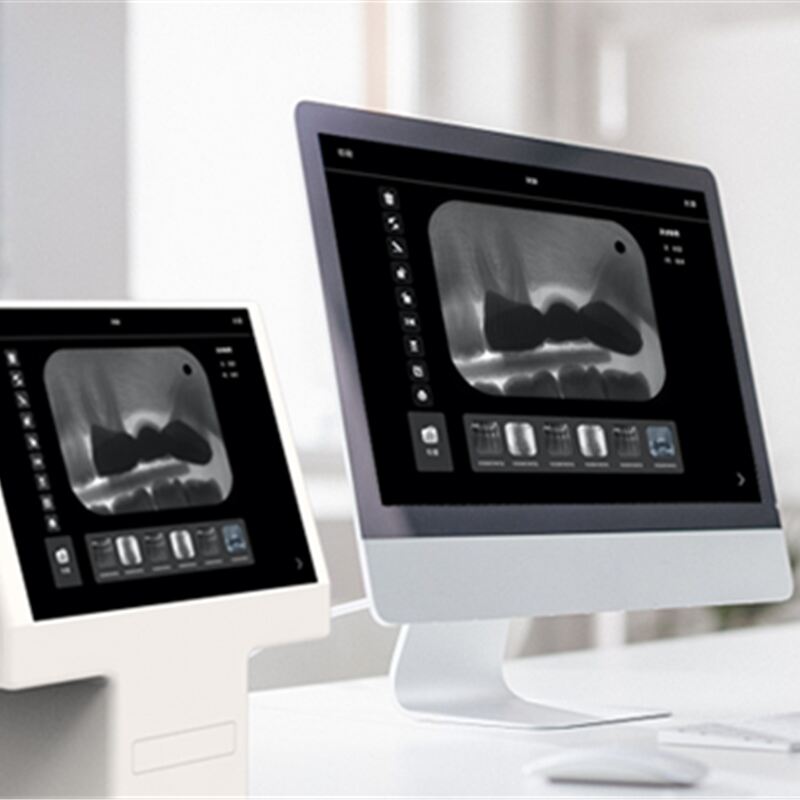
Taking the impressions of patients' teeth once required the patient to bite into a mold filled with an unsavory-tasting gel, but now dental practitioners are able to get the job done in a few minutes by using intraoral 3D scanners. This process produces a highly accurate impression of the patient's teeth in the form of a 3D model. Intraoral 3D scanners are equipped with high-quality cameras and sensors that accurately map out every miniscule detail in the patient's mouth and on each tooth so that the dentist can have an accurate basis for the proper diagnosis of the patient's dental needs, treatment, and any crowns or fillings needed for perfect and flawless appliance fits. It is easy for mistakes to be made when using traditional methods for dental impressions. Poor dental impressions often result in appliances that are too large or too small and then you are obligated to give both yourself and the patient extra trips to the office to alter them.
Top Intraoral 3D Scanner Trends in 2023
The field of best intraoral scanner have seen great strides in technology over the past year. Many dentists have started to utilize these devices because of how fast and diverse they have become in relation to dental needs. One of the main advances has been the quickness and speed that the newintraoral 3D scannerscan take impressions of teeth. The quicker they work, the less the patient will have to keep their mouth open, causing both patient and dentist to experience less fatigue. This can allow dental offices to see more patients each day and still get great results. Artificial intelligence has been integrating itself into intraoral 3D scanners at an impressive rate as well. Artificial intelligence can greatly increase efficiency by calculating the best treatment for patients with highly accurate measurements and images so they may receive faster treatment while dentists also benefit from more ease. The improved connectivity of 3D intraoral scanners is also an area that has seen significant progress this year. Dental practitioners everywhere are realizing new ways to link their intraoral 3D scanners and other equipment together to work more seamlessly.

