When it comes to CADCAM dental scanners, China is a breeding ground for innovation and production. As a leading industry provider, Dynamic knows that selecting the right dental scanner for your practice can be challenging and we are aware of Typical problems which you may encounter with dental scanners made in China. From choosing the right scanner to solving common problems, this guide is packed full of information that will help you understand the world of dental scanners.
Precision: The precision of a dental scanner is one of the main characteristics to take into account when deciding. A scanner that gives clear scans and you can control details less than 1µm will allow you to produce fine dental restorations for your patients.
Time: In a bustling dental clinic, time is money. Choose a scanner that can give you quick scanning speeds but won’t make you sacrifice accuracy. This can help you make your practice more efficient and see more patients in the same amount of time.
Compatibility: Ensure that the dental scanner is compatible with your current software and hardware. This is something that you won't have from any other distributor and it will save you any compatibility problems and an easy integration into your practice.
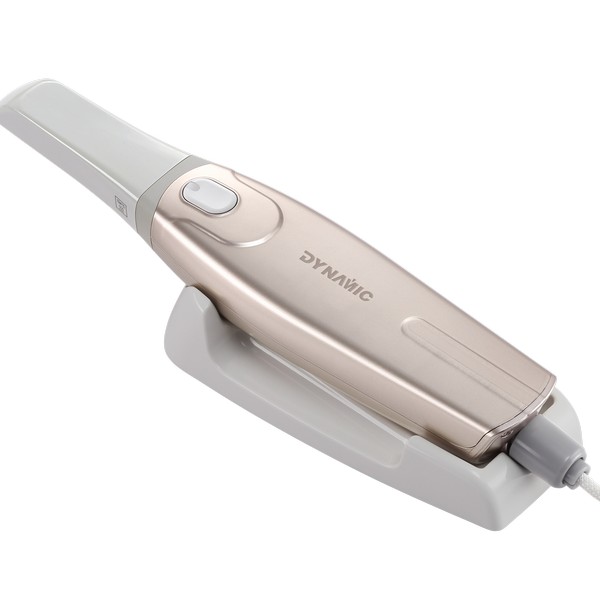
Price: Though price can’t be the entire factor in your decision-making, you do need to take your budget into account when selecting a dental scanner. Also compare provider pricing from various manufacturers to see which scanner is the best value for in your practice.
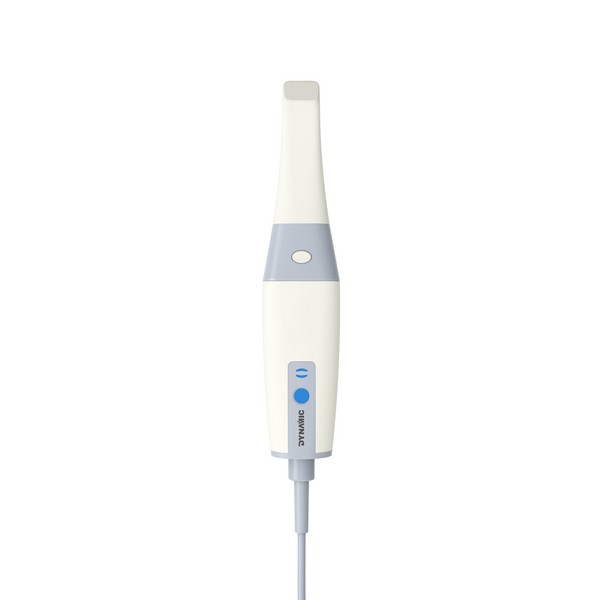
Maintenance difficulties: It is important to care for your dental scanner if you want to use it for a long time. If the scanner is not kept clean and serviceable you may find a loss of accuracy and possible problems with the operation of the device.
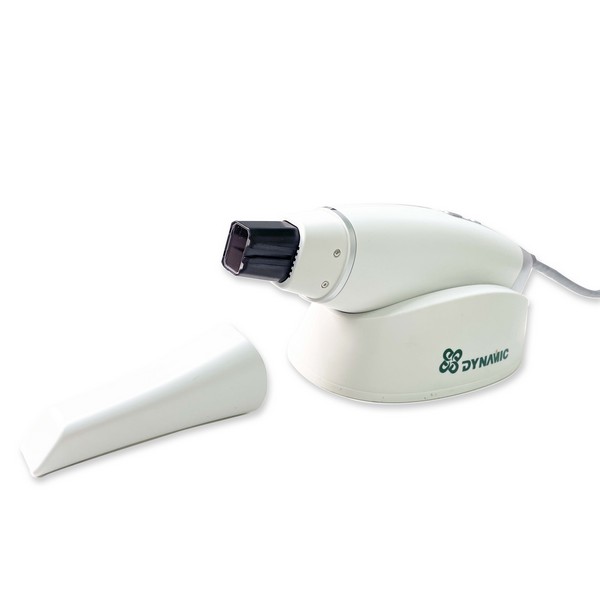
Dental scanners enable dentists to capture precise images of a patient’s teeth and gums without the gooey mess associated with traditional impressions. This also leads not only in time savings but a more precise result. Dentists can even use dental scanners to catch issues like cavities or gum disease early, for more successful treatments. In summary, dental scanners enhance the experience for both patients and practitioners as they expedite procedures that are conducted in a more comfortable and accurate manner.
knowledgeable RD personnel, dental scanners china sales professionals skilled after-sales staff satisfy individual customization needs provide complete support.
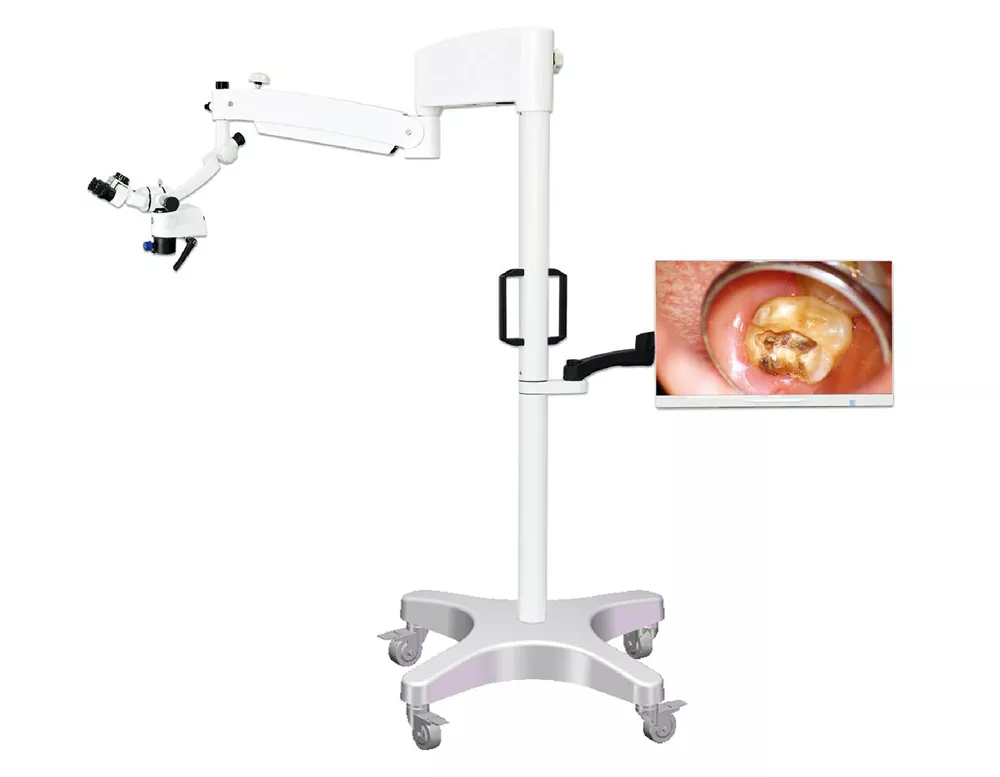
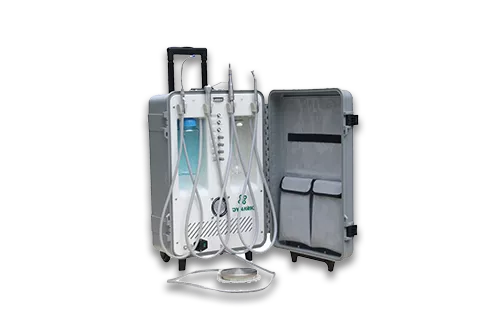
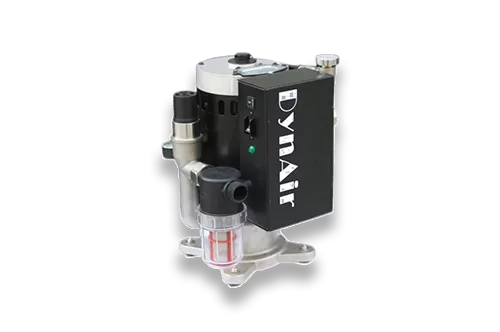
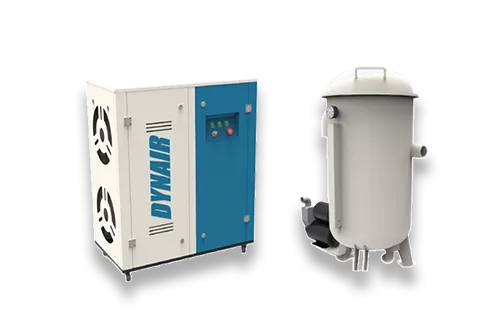
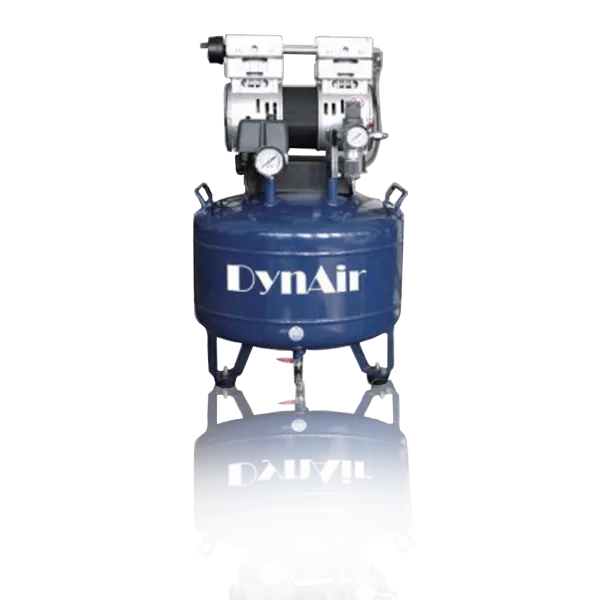
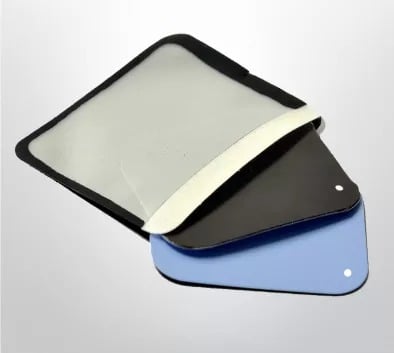
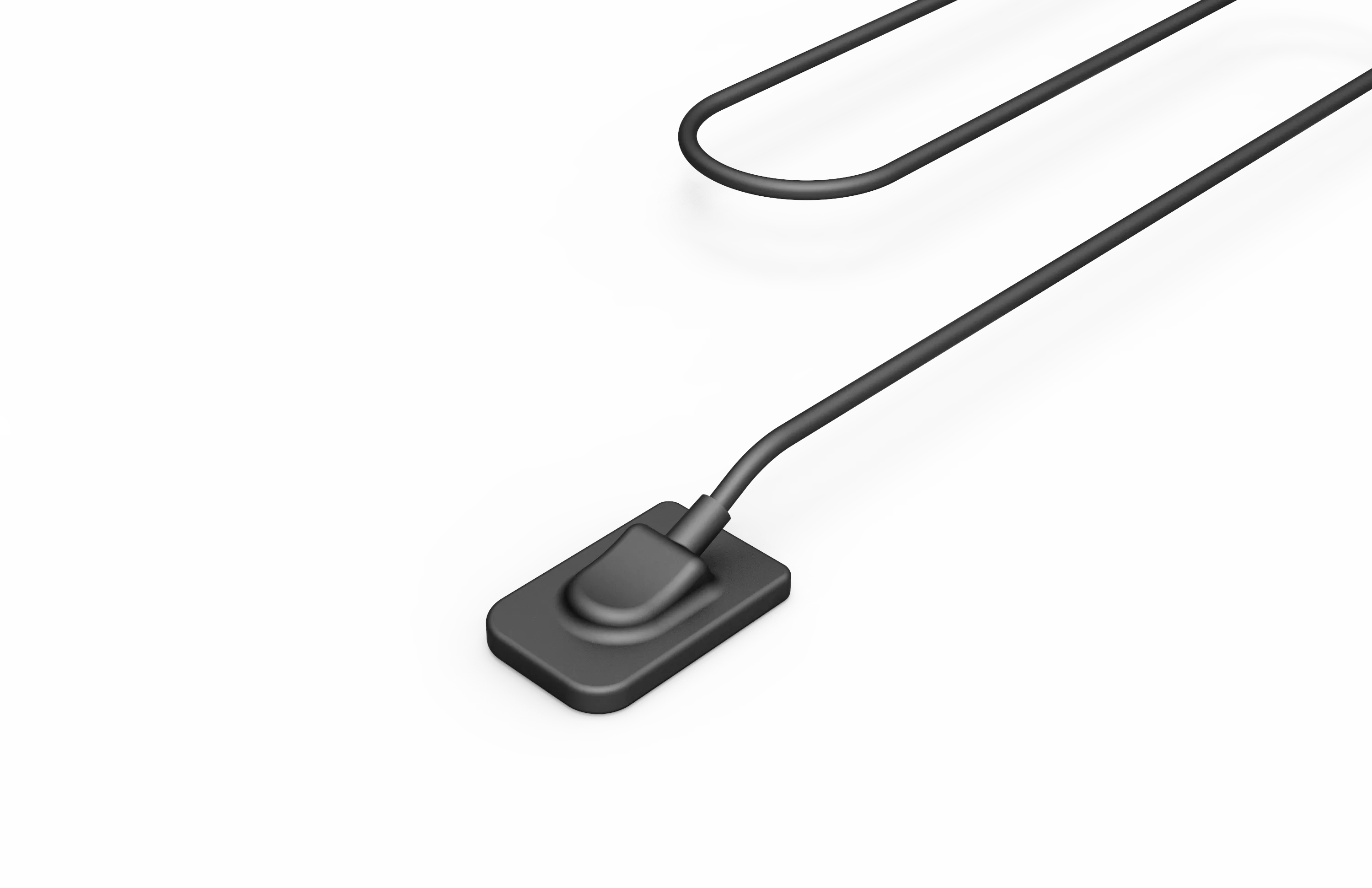
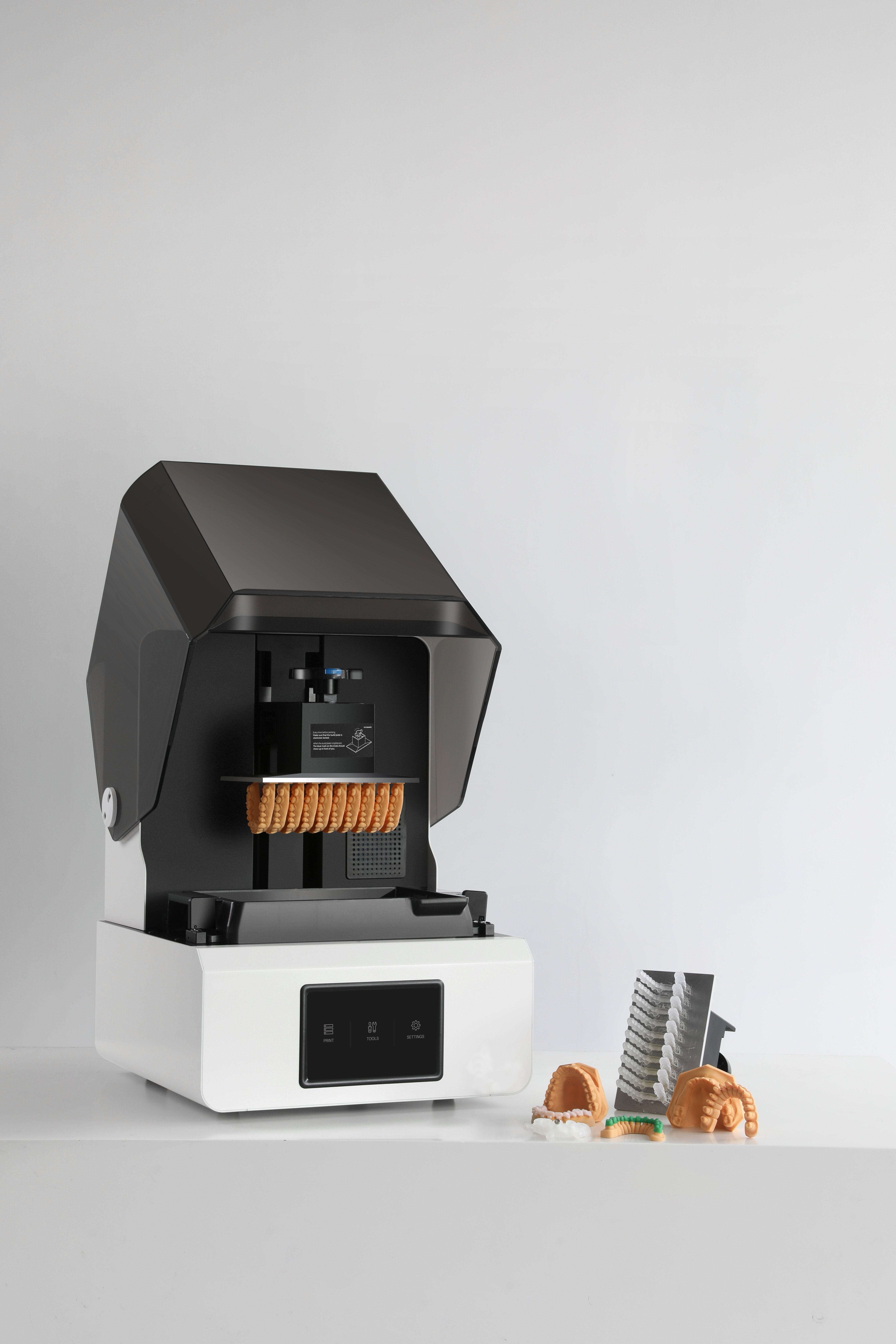
Dynamic has been in development has a product line that encompasses the complete solution of air-supplying solutions, image and dental CAD/CAM which includes air compressors suction units, dental scanners china scanners dental milling devices, Phosphor Plate Scanning and dental x-ray sensors, etc.
dental scanners china provided CE ISO certification. 50 patents registered enterprise that national leader high-tech.
Since its inception in 2004, Jiangsu Dynamic Medical Technology dental scanners china., Ltd. has always been devoted to RD production, sales and marketing of dental equipment. We have over 30,000 square meters of industrial space. We also have our own factory and warehouse. Therefore, we are sure to meet the demands of our customers Our products have been shipped to more than 100 countries and regions across the world, have been sold thousands sets and enjoyed a good reputation through reliable quality, affordable prices and excellent service.



 EN
EN
 AR
AR NL
NL FR
FR DE
DE EL
EL HI
HI IT
IT PL
PL PT
PT RO
RO RU
RU ES
ES IW
IW ID
ID VI
VI TH
TH TR
TR FA
FA