How do dental sensors work? Dental sensors are placed in a patient’s mouth to take X-ray images. Digital sensors give instant images which can be viewed on a computer screen. If traditional X-Ray film is used, it must be developed before they can be viewed. This feature enables dentists to zoom in on certain areas, change the contrast and process images for more comprehensive study.
Dynamic's dental sensor technology is known for one of its most significant features, minimum radiation dosage on patients. Digital sensors use much less radiation than conventional film x-rays, so they are a safer choice for regular dental diagnostic imaging. Moreover, digital photos can be stored and transmitted readily in an electronic form without the requirement of physical film or associated waste.
Dynamic's dental sensors are vital for increasing the accuracy of diagnosis for dentists. The high-resolution images captured by these sensors enable dentists to diagnose dental problems before they become serious, and treatment can be both more comfortable and more efficient. Detailed imaging of the crowns and roots helps dentists to make better therapeutic decisions for their patients.
In addition, dental sensors may allow dentists the ability to detect hidden signs of developing oral pathoses that cannot be seen in an ordinary clinical examination. Small areas of decay between the teeth or below existing restorations (like fillings) and infections in the bone can be identified with digital imaging. This way, problems such as damage to teeth and gums do not worsen over time, saving patients from having to undergo more invasive and expensive procedures later on.
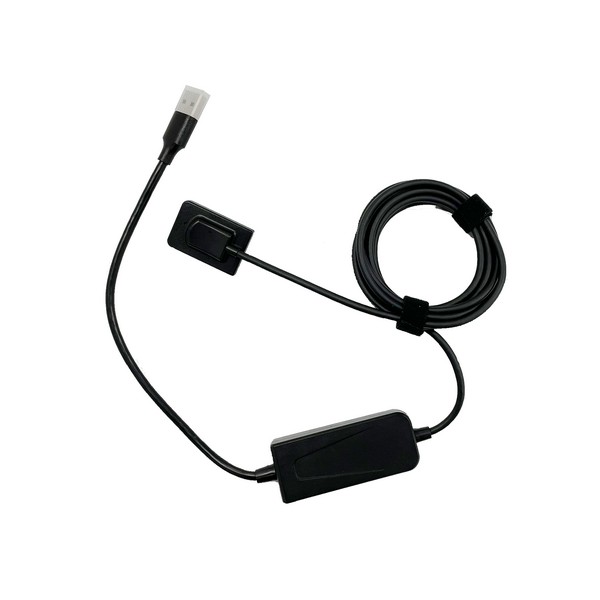
Not only does Dynamic's dental sensors raise the bar on diagnostic quality, they improve the overall patient experience. Because computer images can be immedi ately created and processed, patients do not have to endure long appointment times. The sensors instantly transmit images to a screen and enables dentists to show patients their dental issues in real time, enhancing patient communication and satisfaction as they learn about treatment options.
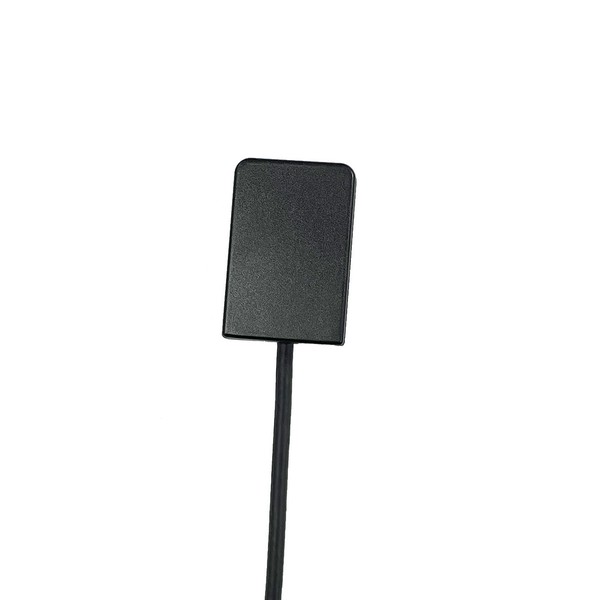
Dynamic dental sensors are the ideal technology for dentists to capture clear, sharp X-ray images of patients teeth and gums. But, as with all technology, every now and then dental sensors may experience a glitch that can cause them to stop working. One frequent problem is image distortion which can be caused by a dirty or damaged sensor. To resolve this issue, just clean the sensor with soft cloth correctly and check any physical damage. Connectivity difficulties are also an issue that dentists may encounter, which usually are resolved by verifying the sensor is connected correctly to the computer and the driver installation i's up-to-date. Fortunately, by dealing with these issues and applying troubleshooting techniques properly dentists can make sure that their Dynamic dental sensors are functioning properly and emit accurate images.
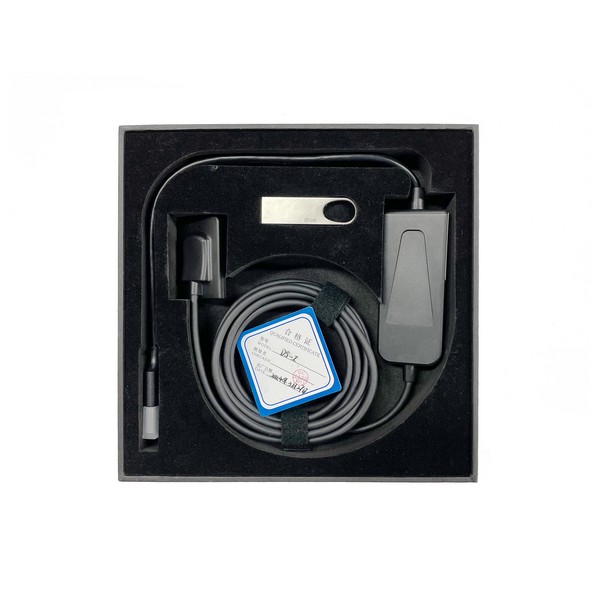
Dynamic has a variety of low cost dental sensors on sale for dentist to provide them options and quality imaging choices all at an affordable price. Our sensors are made to produce crisp, clear images that help dentists diagnose and treat patients' oral health issues with precision. With a choice of sizes to suit any practice budget, Size 1- Dynamic dental sensors make traditional film and bulky wired panels obsolete. For some general practitioners out there, improving their diagnostic ability and standard of care can be achieved by investing in a Dynamic dental sensor.
Dynamic has been in development has a product line that encompasses the complete solution of air-supplying solutions, image and dental CAD/CAM which includes air compressors suction units, dental sensor scanners dental milling devices, Phosphor Plate Scanning and dental x-ray sensors, etc.
RD team, sales dental sensor experienced after-sales staff highly qualified provide customized customizations comprehensive support.
product comes CE dental sensor well ISO certification. 50 patents large national high tech enterprise.
Established in 2004, Jiangsu Dynamic Medical dental sensor Co., Ltd. has always been devoted to RD production, as well as sales of dental products. Our warehouse and factory are spread across a total of 30,000 square metres. We're sure to please our clients as we have sold a lot of sets, exported to over 100 countries. We also have gained a reputation for high quality, fair price, and good service.



 EN
EN
 AR
AR NL
NL FR
FR DE
DE EL
EL HI
HI IT
IT PL
PL PT
PT RO
RO RU
RU ES
ES IW
IW ID
ID VI
VI TH
TH TR
TR FA
FA